
A strong weld begins with the right technique, reliable equipment, and a clear understanding of the metal being joined. Whether you are repairing steel components, building metal structures, or creating custom parts, choosing an effective welding method can make a noticeable difference in the final result. Metal Inert Gas (MIG) welding is one of the most widely used techniques because it combines speed, versatility, and consistent performance. But what is MIG welding, and how does it work in practice? Understanding the process can help you make informed decisions about metal fabrication, project quality, and repair requirements. At SK Welding, we recognize the importance of dependable welding solutions and the technical knowledge needed to achieve strong, clean, and durable results.
What Is MIG Welding? Understanding the Basics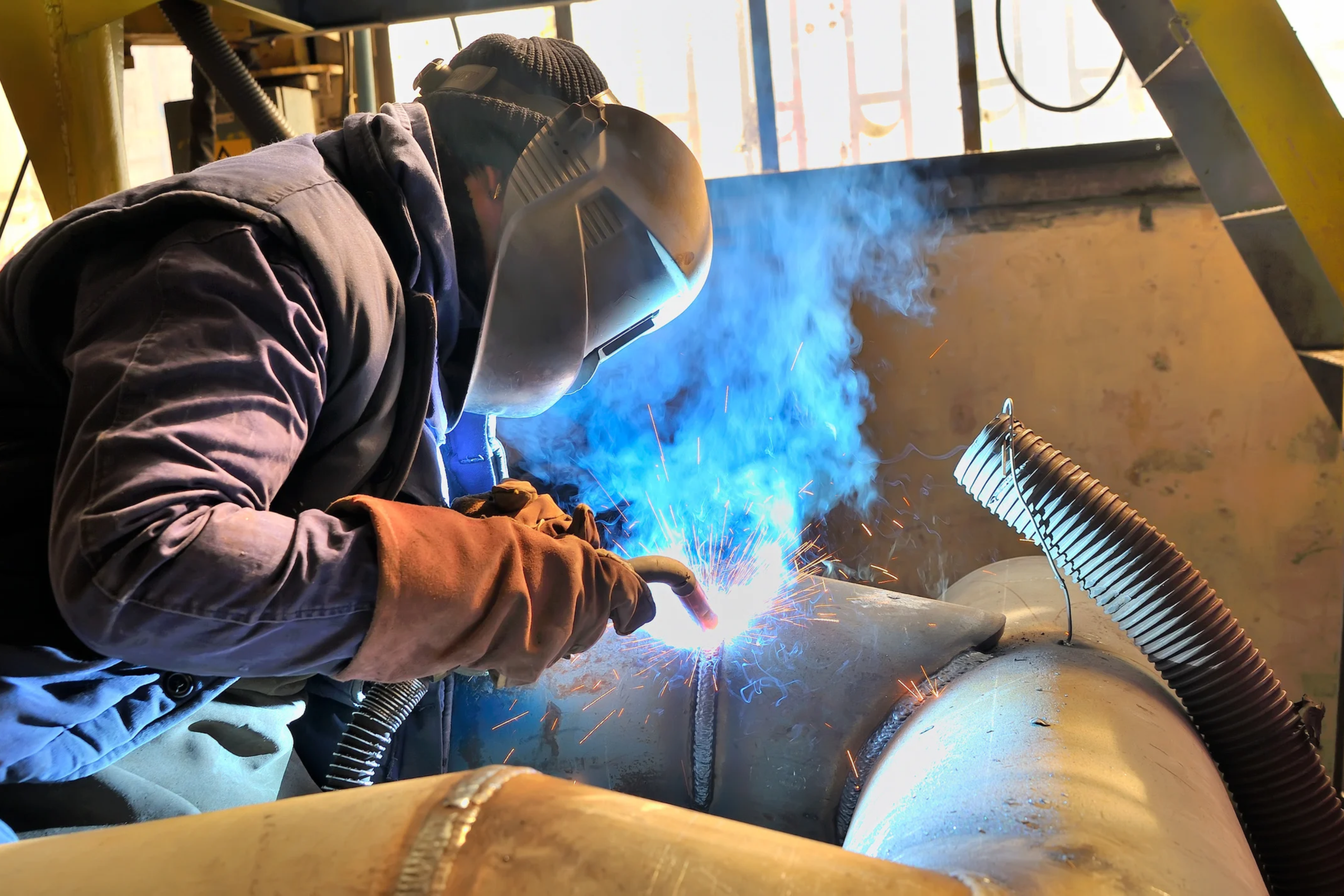
MIG welding stands for Metal Inert Gas welding. It is an arc welding process that uses a continuously fed wire electrode to join two or more metal pieces. An electric current creates an arc between the wire and the base metal, producing enough heat to melt the metal and form a strong connection.
During the welding process, shielding gas flows through the welding gun and protects the molten metal from atmospheric contaminants. This protection helps reduce oxidation and other issues that could weaken the finished joint.
MIG welding is popular in professional fabrication shops because it can be learned relatively quickly and adapted to many applications. It is commonly used with carbon steel, stainless steel, and aluminum when the correct wire, shielding gas, and machine settings are selected.
For projects requiring consistent results, SK Welding understands how choosing the right welding method can support structural integrity, appearance, and long-term performance.
How a MIG Welder Works
A MIG welder uses several connected components to generate heat, feed wire, and protect the weld area. Each part contributes to a controlled and repeatable welding process.
The power source supplies the electricity needed to create the arc. A wire-feeding mechanism continuously moves the electrode wire through a cable and into the welding gun. When the wire touches the workpiece and an arc forms, the heat melts the wire and the surface of the base metal.
At the same time, shielding gas surrounds the arc and molten weld pool. This protective atmosphere helps prevent unwanted reactions with oxygen and other gases in the air.
The operator guides the gun along the joint while maintaining an appropriate distance, travel speed, and angle. When these factors are properly controlled, the molten metal cools into a solid weld.
Modern welding equipment may include adjustable voltage, wire-feed speed controls, and other features that help operators adapt the machine to different materials and thicknesses. The right setup improves efficiency while helping produce consistent weld quality.
Essential Welding Equipment for MIG Applications
Understanding the equipment is an important part of learning welding basics. A properly configured setup makes the work easier to control and helps reduce common defects.
The main components of a MIG welding system include:
- Power supply: Provides the electrical current required to create and maintain the welding arc.
- Wire feeder: Delivers electrode wire at a controlled speed throughout the operation.
- Welding gun: Directs the wire electrode, electrical current, and shielding gas toward the joint.
- Shielding gas supply: Protects the molten metal from atmospheric contamination.
- Ground clamp and cable: Complete the electrical circuit between the machine and workpiece.
- Protective equipment: Includes a suitable welding helmet, gloves, protective clothing, and safety footwear.
Additional supplies may include contact tips, nozzles, clamps, and brushes for preparing and maintaining the work area.
SK Welding recognizes that successful fabrication depends on more than the welding machine alone. Suitable equipment, careful preparation, and attention to detail all contribute to dependable results.
The MIG Welding Process: A Step-by-Step Guide
MIG welding follows a straightforward sequence, but every stage matters. Proper preparation and control help create strong joints while reducing unnecessary rework.
Step 1: Prepare the Base Metal
Begin by inspecting the metal pieces and identifying the joint location. Remove rust, paint, oil, moisture, and other contaminants from the weld area. Clean surfaces allow the arc to work more consistently and help the molten metal bond properly.
Position the pieces according to the project requirements, then use clamps or suitable fixtures to keep them stable. Correct alignment is particularly important when making precision parts or fabricating components that must fit together accurately.
Step 2: Select the Correct Wire and Gas
Choose an electrode wire that matches the base metal, material thickness, and intended application. The wire must provide suitable strength and compatibility with the workpiece.
Next, select the appropriate shielding gas. Argon-rich mixtures are commonly used for aluminum and some stainless steel applications, while argon and carbon dioxide mixtures are widely used for steel. The precise gas composition depends on the material and desired weld characteristics.
Using the correct combination supports good arc stability, metal transfer, and weld appearance.
Step 3: Set Up the MIG Welder
Adjust the machine according to the manufacturer’s instructions and the material being welded. Important settings include voltage, wire-feed speed, and, where applicable, inductance or other arc-control adjustments.
Material thickness, joint design, wire diameter, and welding position influence these settings. Incorrect adjustments can produce excessive spatter, poor penetration, or an irregular bead.
For repeatable fabrication work, SK Welding emphasizes the value of matching machine settings to the specific requirements of each project rather than relying on one setup for every job.
Step 4: Start the Arc and Form the Weld Pool
After confirming that the equipment is correctly configured, position the welding gun at the joint. Pulling the trigger feeds the wire and activates the welding current and gas flow.
The electric arc generates intense heat, melting the wire electrode and a portion of the base metal. These molten materials combine to create the weld pool.
Maintain a controlled gun angle and steady hand movement. The aim is to keep the weld pool manageable while allowing sufficient fusion between the pieces.
Step 5: Move Along the Joint
Guide the gun along the joint at a consistent travel speed. Moving too quickly may result in inadequate fusion, while moving too slowly can create excessive buildup or unwanted heat distortion.
Pay attention to the shape of the weld bead, the stability of the arc, and the way the molten metal flows. Adjustments may be necessary when the joint changes direction or the metal thickness varies.
Step 6: Finish and Inspect the Weld
Once the joint is complete, release the trigger and allow the weld to cool appropriately. Inspect the finished area for visible cracks, excessive spatter, undercutting, inconsistent bead shape, or other signs of poor weld quality.
Depending on the application, additional inspection methods may be required. Structural or safety-critical components should be evaluated according to the applicable specifications and qualified inspection procedures.
Common MIG Welding Applications in Metal Fabrication
MIG welding is used across many industries because it offers a practical balance of speed, versatility, and control. It is especially useful for projects involving repeated joints or components that require consistent fabrication.
Common applications include automotive repairs, equipment manufacturing, metal frames, brackets, gates, steel structures, and custom fabrication. It is also used in production environments where multiple parts must be joined efficiently.
The process works well with a range of material thicknesses when suitable equipment and settings are available. In manufacturing facilities, automated systems can also use MIG welding to improve repeatability and production efficiency.
Computer numerical control (CNC) equipment may support the preparation or positioning of metal parts, while automated welding systems can help produce consistent joints in suitable applications. However, CNC machining and MIG welding perform different functions, and the correct combination depends on the project.
At SK Welding, understanding the intended use of a fabricated component is essential when determining the appropriate welding approach, joint preparation, and finishing requirements.
MIG Welding Advantages and Limitations
One of the biggest advantages of MIG welding is its continuous wire-feed system. Unlike processes that require frequent electrode replacement, the wire is supplied throughout the operation, helping maintain productivity during longer welds.
MIG welding also offers relatively high deposition rates, making it suitable for many production and fabrication tasks. With appropriate settings, it can create clean welds with manageable spatter and consistent bead appearance. Its versatility makes it useful for both repair work and new metal fabrication.
However, MIG welding is not ideal for every situation. Conventional gas-shielded MIG welding can be difficult to use outdoors because wind may disrupt the shielding gas. Dirty or rusty metal can also compromise the results if surfaces are not prepared properly.
Some specialized joints, restricted access areas, and demanding applications may require another welding technique. Material thickness, joint accessibility, required strength, and operating conditions should all be considered before selecting a process.
A professional assessment helps balance speed, quality, cost, and the performance expected from the finished component.
High-Quality MIG Welding: Safety and Best Practices
Good welding results depend on sound technique and a safe working environment. The welding arc produces intense light, heat, and fumes, while electrical equipment and hot metal create additional hazards.
Always wear a properly rated welding helmet, suitable gloves, flame-resistant clothing, and protective footwear. Use adequate ventilation or appropriate fume extraction, and follow the safety data and handling requirements for the materials involved.
Remove combustible materials from the work area and keep suitable fire protection equipment accessible. Inspect cables, connections, the gun, and gas lines before starting. Secure gas cylinders correctly and follow the manufacturer’s handling instructions.
For better weld quality, keep the metal clean, verify the machine settings, maintain a steady travel speed, and inspect completed joints. Practice and experience are important, but critical applications may require qualified welders, approved procedures, and documented inspection.
SK Welding values careful workmanship because a dependable weld must do more than look good. It should meet the requirements of its intended application and provide reliable performance under the conditions for which it was designed.
Choose the Right Welding Approach for Your Project
Understanding MIG welding makes it easier to recognize why this method is widely used in modern metal fabrication. Its continuous wire electrode, protective shielding gas, and controllable arc provide an effective way to join many types of metal. When the material, equipment, and technique are properly matched, the process can deliver strong joints, consistent results, and efficient production.
However, every project has different requirements. Material type, thickness, joint design, working conditions, and performance expectations all influence the best approach. Taking time to evaluate these factors can help prevent avoidable defects and costly repairs.
Whether you need custom metal fabrication, component repairs, or dependable welding work, choosing an experienced professional can make a meaningful difference.
Build stronger connections with skilled welding and dependable workmanship. Contact SK Welding to discuss your project requirements and explore a suitable solution for your metal fabrication needs. With attention to detail and a commitment to quality, the right welding approach can help turn your ideas into durable, reliable results.