
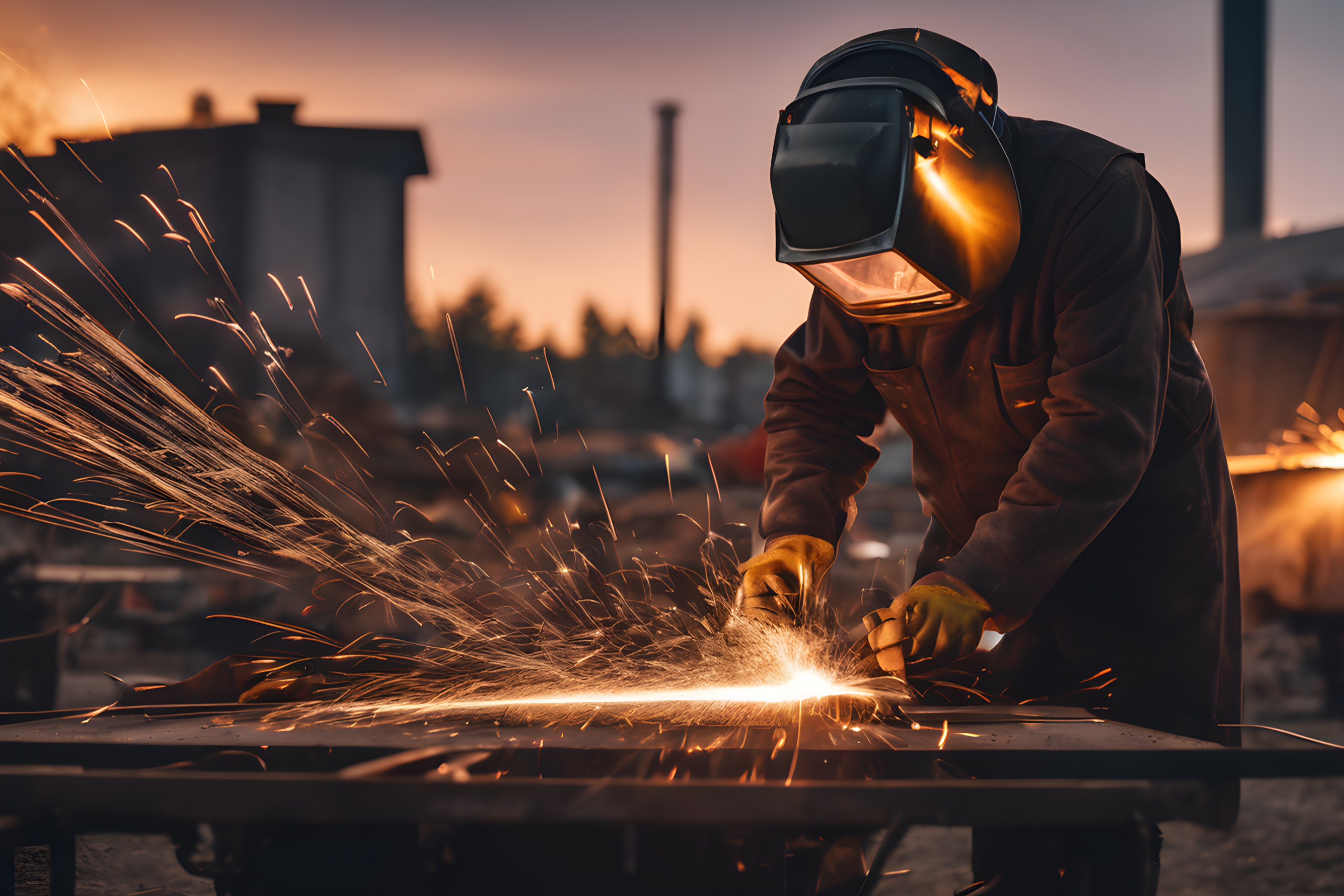
Strong metalwork starts with a connection you can trust. Welding may look like a burst of sparks and intense heat, but behind every strong joint is a carefully controlled process that combines the right equipment, technique, and skill. If you have ever wondered, “How does welding work?” the answer involves much more than simply melting two pieces of metal together.
From construction projects and equipment repairs to custom fabrication, welding creates durable connections between metal components. SK Welding understands that quality welding requires precision at every stage, from preparing the workpiece to controlling the weld pool.
How Does Welding Work in Real-World Applications?
At its simplest, welding joins two or more pieces of material by applying enough heat, pressure, or a combination of both to create a permanent bond. In many common applications, an electrical arc generates the heat needed to melt the edges of the metal workpiece.
When the heat is applied, the metal begins to melt and forms a small area called the weld pool. Depending on the welding method, an electrode or filler metal may also melt into this area. As the heat moves away, the molten material cools and solidifies, creating a strong joint.
Understanding how welding works also means recognizing that different metals require different approaches. Thickness, material type, joint design, and project requirements all influence the welding process. SK Welding carefully considers these factors before beginning any fabrication or repair job.
The Welding Process From Start to Finish
A successful welding job begins well before the welding arc is created. Preparation helps ensure that the finished joint is strong, clean, and properly aligned.
The workpiece is inspected and prepared first. Dirt, rust, paint, oil, and other contaminants may need to be removed because they can interfere with the connection. The pieces are then positioned at the correct angle and secured so they do not shift during the work.
Next, the appropriate welding machine and equipment are selected. Electrical current is adjusted according to the material and welding method. During the operation, the welder carefully controls the arc, travel speed, angle, and heat.
Once the weld pool forms, the welder guides it along the joint. After cooling, the finished weld is inspected for appearance, consistency, penetration, and potential defects. SK Welding focuses on each of these steps to help produce dependable results.
Stick Welding: A Practical and Versatile Method
Stick welding, also called shielded metal arc welding, is one of the most widely recognized welding techniques. It uses a consumable electrode coated with flux. When the electrode touches the metal and is lifted slightly away, an electrical arc forms between the electrode and the workpiece.
The arc’s heat melts both the electrode and a portion of the base metal. The melted electrode becomes filler metal, while the flux produces shielding gases and slag that help protect the weld from atmospheric contamination.
One reason stick welding remains popular is its versatility. It can be performed outdoors and is useful for many repair, maintenance, construction, and fabrication applications. It can also work effectively on relatively thick metal.
However, successful stick welding requires practice. Maintaining the correct arc length, electrode angle, travel speed, and electrical current is essential. SK Welding uses appropriate techniques and equipment to help ensure the weld meets the project’s needs.
Arc Welding and the Role of Electrical Current
Many welding methods rely on an electrical arc to generate heat. In arc welding, electrical current passes through the welding system and creates a concentrated arc between an electrode and the metal workpiece.
The arc can produce extremely high temperatures. This allows the base metal and, when applicable, filler material to melt in a controlled area. The welder then moves the arc across the joint to form the desired bead.
Controlling electrical current is particularly important. Too little current may result in inadequate penetration, while excessive current can produce unnecessary melting, distortion, or burn-through. The correct settings depend on factors such as metal type, thickness, electrode selection, and welding position.
A skilled welder also controls the angle and movement of the welding torch or electrode. These details may seem small, but they can significantly affect weld quality. SK Welding combines technical knowledge with careful workmanship to maintain control throughout the operation.
Welding Equipment and the Right Machine for the Job
The quality of a welding project depends not only on the welder’s skill but also on using suitable welding equipment. A welding machine supplies and controls the electrical current required for many welding methods.
Other equipment may include welding leads, clamps, torches, electrodes, filler materials, shielding gas systems, protective clothing, and cleaning tools. A properly maintained machine provides more consistent performance and helps reduce interruptions during a project.
Choosing the right equipment depends on the application. A job requiring heavy structural welding may have very different requirements from a light fabrication project or repair.
Safety equipment is equally important. A proper helmet protects the welder’s eyes and face from intense light, heat, sparks, and flying particles. Gloves, protective clothing, and appropriate footwear provide additional protection.
At SK Welding, equipment selection balances performance and safety. The goal is to match the machine and supporting equipment to the work rather than relying on a one-size-fits-all solution.
TIG and MIG Welding: How They Differ
Two popular modern welding methods are TIG and MIG welding. Although both can produce clean and precise results, they operate differently.
TIG welding uses a non-consumable tungsten electrode to create the welding arc. A separate filler metal can be added when needed. Shielding gas, commonly an inert gas, protects the weld area from contamination. TIG is known for precision and is often selected when appearance and control are especially important.
MIG welding uses a continuously fed wire electrode. The wire acts as both the electrode and, in many applications, the filler metal. Shielding gas protects the molten weld pool from the surrounding atmosphere.
The choice between TIG, MIG, stick welding, and other techniques depends on the material, thickness, project design, desired finish, and working conditions. SK Welding selects an appropriate welding process based on specific requirements rather than applying the same method to every job.
What Happens Inside the Weld Pool?
The weld pool is the heart of the welding process. It is the small area where the base metal and filler material become molten under the heat of the welding arc.
Managing this molten area requires concentration and experience. The welder must maintain the correct travel speed and angle while keeping the heat focused on the joint. Moving too quickly can result in insufficient penetration, while moving too slowly may introduce excessive heat.
The appearance and behavior of the weld pool can provide useful information to an experienced welder. Its size, shape, and movement can indicate whether adjustments are needed.
After the arc moves forward, the molten material cools and becomes solid. This creates the weld bead that physically connects the pieces. Proper control helps create a joint that is both functional and visually consistent.
SK Welding recognizes that good results come from controlling these details throughout the entire operation, not simply from producing a finished bead.
How Welding Done Today Uses Technology and Skill
The fundamentals of welding have remained consistent, but today’s welding benefits from advances in machines, materials, safety systems, and fabrication technology.
Modern welding machines may provide more precise control over current and other operating parameters. Improved equipment can make it easier to achieve consistent results across different applications. Industries that require repeatability and speed also use specialized machines and automated systems.
Even with these advancements, technology does not replace craftsmanship. A machine can provide controlled power, but the welder still needs to understand joint preparation, material behavior, heat control, positioning, and inspection.
Modern welding also places strong emphasis on safety. Proper ventilation, protective equipment, equipment maintenance, and safe work practices help reduce hazards associated with heat, fumes, sparks, and electrical systems.
By combining proven techniques with modern equipment, SK Welding delivers dependable welding solutions suited to today’s demanding projects.
Why Professional Welding Makes a Difference
A strong weld is not simply one that looks good. It must be appropriate for the application and able to handle the stresses placed on the joint.
Professional welding involves choosing the correct process, preparing the material properly, setting up the machine accurately, and controlling the welding arc throughout the job. The welder must also understand how different metals respond to heat and how factors such as thickness and joint configuration affect the finished result.
Poor technique can lead to cracking, porosity, weak penetration, distortion, or inconsistent welds. These issues may reduce a component’s service life and potentially create safety concerns.
Working with an experienced professional gives you access to the knowledge and equipment needed to approach the project correctly from the beginning. SK Welding is committed to careful workmanship, dependable techniques, and quality-focused service for welding and fabrication needs.
Trust SK Welding for Quality Metalwork
Good welding is where precision meets strength. Whether you need a repair, fabrication project, structural connection, or custom metalwork, understanding the process can help you appreciate why professional workmanship matters.
From selecting the right electrode and equipment to controlling the weld pool and inspecting the completed joint, every stage contributes to the final result. The right welding process can improve durability, appearance, and overall performance.
When quality cannot be left to chance, SK Welding brings together practical experience, suitable equipment, and attention to detail to help turn individual pieces of metal into reliable, lasting connections.
Ready to give your metal project a stronger foundation? Contact SK Welding today and let skilled workmanship bring your next welding project together with confidence.